10 Emotional Intelligence Audiobooks Worth Listening To, on Amazon Shop now →
As an Amazon Associate Emotional Intelligence Developer earns from qualifying purchases at no additional cost to you.

Why saying sorry seems to be the hardest word to tell someone

Ngwenya Clive Avatar
Verified by Emotional Intelligence Developer Community-written · Human experiences · Lived insight

Pride destroys a lot of relationships

black man apologizing while talking with girlfriend, Why saying sorry seems to be the hardest word to tell someone
Photo by Alex Green on Pexels.com

Do you regret not apologizing to someone for an incident which could’ve been resolved? Pride is a bad emotion, and that’s why saying sorry seems to be the hardest word to tell someone.

Saying sorry is not wrong. You can use it and it won’t make you less of a person. When you’re mature you deal with challenging things, and you acknowledge your pitfalls as they happen. People tend to fight to the very end… we don’t give up until the relationship is irretrievably broken.

  • Why saying sorry seems to be the hardest word to tell someone

Say sorry if you’re wrong. Say sorry to make the other person calm down. Acknowledge your mistakes at work, at school, with a friend, partner, or stranger. You will not be weak, and it will empower you emotionally.

How sorrow and bliss affect your emotions

Do you remember a time when you could’ve apologized to someone but because of pride it lead to a failed relationship? Bliss is the same as being thankful. Do you recall a time when you said sorry to someone, and it helped your relationship grow?

Sorrow and bliss affects your emotions differently. If you do things right you’ll find it easy to engage with people and apologize without causing tension. But do the opposite, by being defensive, and many doors will be slammed in your face.

The power of a heartfelt apology

When you sincerely apologize to someone, it shows your maturity and willingness to take responsibility for your actions. A heartfelt apology has the potential to mend broken relationships and open the doors for reconciliation. It demonstrates sincerity and empathy, and it can significantly impact both parties involved.

Apologizing should not be seen as a sign of weakness, but rather as a strength of character. It takes courage to admit when we are wrong and to express genuine remorse. By doing so, we pave the way for healing and growth, fostering stronger connections with those around us.

In contrast, allowing pride to hinder an apology can lead to deep-seated resentment, prolonged conflicts, and damaged relationships. It’s important to recognize the transformative power of a sincere apology in nurturing understanding and repairing emotional bonds.

Conclusion

Saying sorry is not wrong because it’s the right thing to do; learn to hold your tongue even when you’re furious. Don’t damage your reputation by being careless, sometimes we hurt people and fail to apologize even when you know it’s the right thing to do. Be the bigger person and say sorry.

Learn more, click this on this link: Why saying sorry is good

Author

  • Ngwenya Clive

    Clive Ngwenya is the Project Manager at Emotional Intelligence Developer, and a visionary advocate for holistic well-being, dedicated to empowering individuals to enhance their physical, mental, and emotional health. As the founder of this transformative website, Clive’s mission is to provide accessible resources and support for people on their journey towards improved well-being.

    View all posts

Discover more from Emotional Intelligence Developer

Subscribe to get the latest posts sent to your email.


Frequently Asked Questions

What is emotional intelligence?

Emotional intelligence is the ability to recognise, understand, and manage emotions in yourself and others. It helps people communicate better, make thoughtful decisions, and build healthier relationships.

Why is emotional intelligence important for wellbeing?

Emotional intelligence helps people handle stress, manage conflict, and respond thoughtfully instead of reacting emotionally. These skills improve resilience and personal wellbeing.

How can I improve emotional intelligence?

You can improve emotional intelligence through self-reflection, learning from emotional experiences, practicing empathy, and developing awareness of how emotions influence behaviour.

Where can I find emotional wellbeing tools?

You can explore exercises, quizzes, and reflection tools on our wellbeing tools page. You can also learn more about emotional intelligence concepts in our Emotional Intelligence Learning Hub.

Drop a like 👍 and comment below it helps more people find real support.

3 comments on Why saying sorry seems to be the hardest word to tell someone

Your Voice Matters — Join the Conversation

Leave a Reply

3 responses to “Why saying sorry seems to be the hardest word to tell someone”

Calm mountain sunrise scene with three people reflecting together. Emotional Intelligence Developer banner.

Podcast

5000 Spreaker from iHeart downloads achieved
10 000 downloads for Emotional Intelligence Developer on Spotify for Creators
Share Your Testimonial and Experience With Our Community

Trending Pages:

Authors List


📖

New to emotional intelligence? Explore our Emotional Intelligence Glossary to understand key terms and concepts that appear throughout this article.

Try These Free Emotional Intelligence Tools

Understanding scenarios is a great start. Applying them to your own life is where real change happens. Use these simple tools to reflect, understand your emotions, and improve how you respond in real situations.

Build Real Confidence
Understand your self-worth
Emotional Check-In Tool
See how you’re really feeling
Manage Stress & Anxiety
Handle pressure and uncertainty
Reflection Workbook
Think clearly about your reactions
Explore All Free Tools →

Support the Mission — Get the community kit

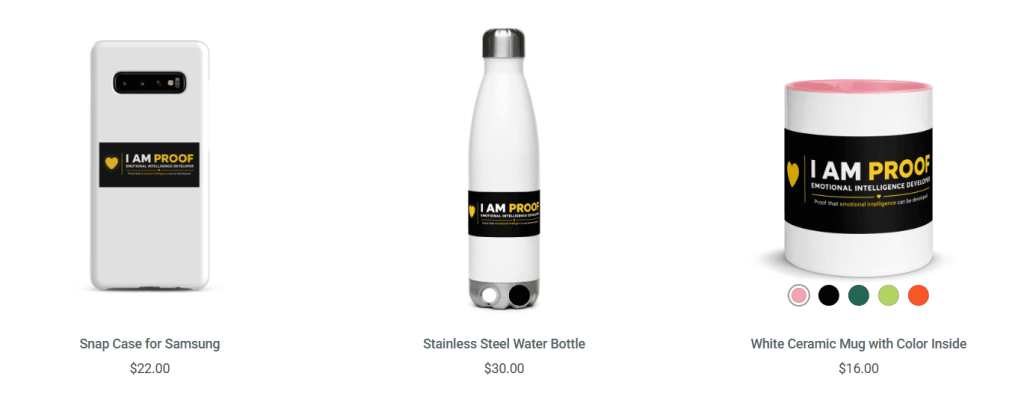
I AM PROOF collection by Emotional Intelligence Developer. Click to visit the merchandise store.

Official Merch Store — show off your merch and tag #emotionalintelligencedeveloper

Discover more from Emotional Intelligence Developer

Subscribe now to keep reading and get access to the full archive.

Continue reading