Inner vs Outer Self, Explained Simply
The difference between your inner self and outer self can affect how peaceful, honest, and connected you feel in everyday life. Your outer self is what people usually notice first, but your inner self shapes your values, emotional patterns, reactions, and the way you treat others.
When the inside and outside do not match, people can feel tired, disconnected, frustrated, or like they are performing instead of living truthfully. When they begin to align, life often feels lighter, clearer, and more real.
This matters in relationships too. Real trust is not built by appearance alone. It grows through honesty, self-awareness, emotional maturity, and the courage to show who you really are.
If you have been feeling split between how you seem and how you truly feel, this guide can help you reflect more deeply and move toward a steadier, more authentic version of yourself.

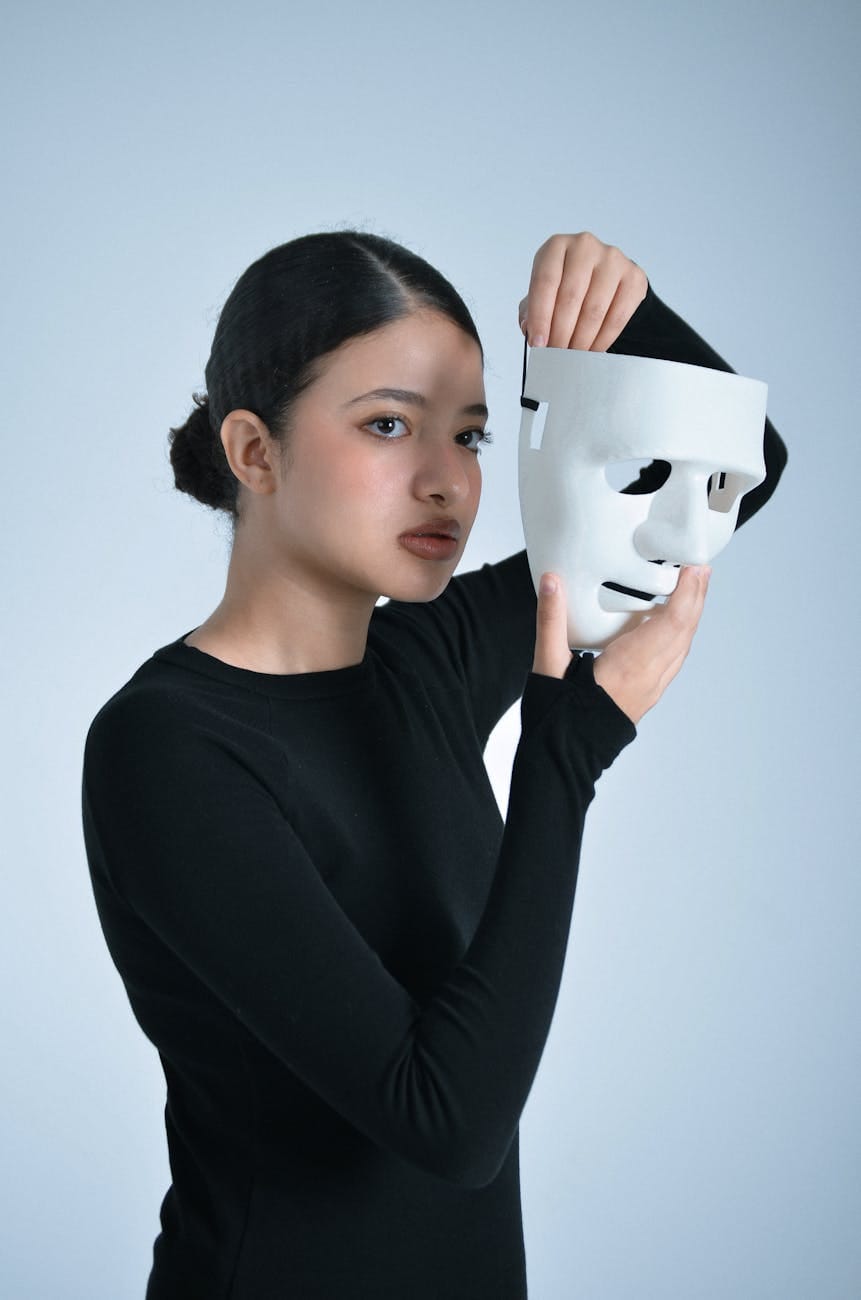
Have you ever felt like you were wearing a mask—appearing kind on the outside while battling frustration or irritation inside? Many of us struggle with aligning who we truly are with how we present ourselves to the world. During this week, I was faced with this challenge again. I found myself acting polite while feeling irritated deep down, which made me reflect on an important truth: At the end of the day, who you are inside matters far more than how you appear on the outside. Your thoughts, emotions, and character shape your experiences and relationships in ways external beauty never could.
The Difference Between the Outer and Inner Self
Your outer self is what people see—how you look, dress, speak, and behave in public. While self-expression is important, it does not fully define you.
Your inner self is the core of who you are—your heart, character, values, and the way you think and feel about others. It is the part of you that remains even when no one is watching.
Many people struggle with a disconnect between these two selves. On the outside, they may seem confident, yet inside they battle insecurity. They may act kindly while feeling resentment or judgment. True peace and fulfilment come when our inner and outer selves align with authenticity and integrity.
Why Your Inner Self Matters More
Your inner world shapes your actions as seen in Proverbs 4:23 it says, “Above all else, guard your heart, for everything you do flows from it.” The way we think and feel influences how we treat others and experience life. If our hearts are filled with love, gratitude, and kindness, those qualities will naturally flow into our words and actions.
Focusing solely on outward appearance may attract admiration but not true connection. People are drawn to authenticity. When you are honest about who you are—your struggles, victories, and values—you build deeper and more meaningful relationships.
Many people chase self-worth through beauty, wealth, or achievements, but these external things are temporary. True confidence comes from knowing and accepting yourself at the deepest level. Psalm 139:14 reminds us, “I praise you because I am fearfully and wonderfully made.” Your worth is not tied to how you look but to who you are in God’s eyes.
How This Affects Relationships
The strongest relationships—whether friendships, romantic partnerships, or family bonds—are built on mutual respect, kindness, and shared values. A beautiful face may turn heads, but a beautiful heart wins souls.
When we neglect our inner selves, we may unknowingly project negativity onto others. Unresolved insecurity can lead to jealousy, pride, or defensiveness. But when we nurture our inner world with love and self-awareness, we approach others with more understanding and grace.
There is a saying: “You attract what you are.” If you want loving, honest, and supportive relationships, be that kind of person. Proverbs 27:19 says, “As water reflects the face, so one’s life reflects the heart.” When we work on becoming better people inside, we naturally attract like-minded individuals who appreciate us for who we truly are.
How to Align Your Inner and Outer Self
If you feel a gap between your external image and internal reality, here are some ways to bring them into alignment:
Practice Self-Reflection. Take time to check in with yourself. Ask, Am I living in a way that aligns with my values? Journaling or praying can help uncover hidden feelings or patterns that need to change.
Instead of worrying about how others see you, focus on becoming a person of integrity, kindness, and wisdom. Galatians 5:22-23 speaks of the fruit of the Spirit—love, joy, peace, patience, kindness, goodness, faithfulness, gentleness, and self-control. These qualities define a truly beautiful soul.
Surround yourself with positive influence. The people around you shape your mindset and behaviours. Seek out friends, mentors, or spiritual leaders who encourage you to grow and be your authentic self.
One of the most difficult but so rewarding, be honest and vulnerable. Let go of the pressure to be perfect. Share your struggles and joys with trusted people. Vulnerability deepens relationships and fosters a sense of belonging.
Shift your focus from outward success to inner growth. Count your blessings, show love to others, and nurture a heart full of gratitude.
Conclusion
So, ask yourself: Who am I really? Am I living in alignment with my values? Am I focusing more on my heart and soul than my appearance?
The world may judge by outward appearances, but God looks at the heart (1 Samuel 16:7). When we embrace who we truly are and cultivate a heart full of love and authenticity, we not only find fulfilment—we create a life filled with meaningful, lasting relationships.
Authenticity is a lifelong journey, and I’m still working on it too. But each step we take toward aligning our inner and outer selves brings us closer to true peace, confidence, and meaningful relationships.
Go out and be the best version of who you really are.
Frequently asked questions about the inner self and outer self
What is the difference between the inner self and outer self?
The outer self is the version of you that other people see through your appearance, behaviour, and public image. The inner self is your deeper emotional world, values, intentions, beliefs, and character. Both affect your life, but the inner self usually shapes your choices more deeply.
Why does the inner self matter so much?
The inner self matters because it influences how you think, feel, respond, and build relationships. A person can look confident or calm on the outside while struggling deeply within. Real growth often starts by caring for what is happening inside, not just what is visible to others.
What happens when your inner and outer self do not match?
When they do not match, people may feel fake, emotionally drained, misunderstood, or disconnected from themselves. They may hide what they feel, say yes when they mean no, or act fine while carrying stress, resentment, or sadness inside.
Can aligning your inner and outer self improve relationships?
Yes. Alignment can improve relationships because people tend to trust honesty, emotional awareness, and consistency. When your actions reflect your real values, communication becomes clearer and connections often become healthier and more meaningful.
How can I become more authentic in daily life?
You can become more authentic by checking in with yourself regularly, noticing your emotional patterns, being honest about what matters to you, and making choices that match your values. Small moments of self-reflection, journaling, and truthful communication can help you feel more aligned over time.
Is it normal to feel like I wear a mask around other people?
Yes, many people feel this way at times. It can happen because of fear, pressure, past hurt, or the desire to be accepted. The important thing is not to judge yourself harshly for it, but to slowly build a life where you feel safer being real.
What happens when you stop reacting and start paying attention?
If this article resonated with you, you may find value in The Power of Pausing — an exclusive member reflection designed to help you slow down, think more clearly, and reconnect with what is happening beneath the surface.
Rather than rushing through thoughts and emotions, this guided resource encourages intentional reflection and greater self-awareness.
PDF: Access The Power of Pausing here

Your membership helps support the creation of free emotional wellbeing resources while unlocking exclusive reflections, PDFs, and member-only content.