10 Emotional Intelligence Audiobooks Worth Listening To, on Amazon Shop now →
As an Amazon Associate Emotional Intelligence Developer earns from qualifying purchases at no additional cost to you.

Are You Developing Good Habits Or Bad Habits?

imakelar Avatar
Verified by Emotional Intelligence Developer Community-written · Human experiences · Lived insight

A man in a village known for his prowess could hold a pot of boiling water with his bare hands without feeling any pain.

A young man who was curious about the man’s abilities came to see him. 

“How can you hold a pot of boiling water without feeling pain?” asked the young man.

The man calmly replied, “There’s nothing special. I just habituated my hands to holding the hot pot. At first my hands were blistered. But the more I do it, my hands seem to be immune to heat and can hold that hot pot without any problems.”

The human body does have a mechanism of remembering something that is done repeatedly and considering it as something normal. When we get used to doing a good habit, over time we will get used to doing it. The same goes for bad habits. At first maybe we didn’t mean to do it. But because of getting used to doing it, day by day, it finally became a matter of course and considered natural.

Every habit starts from one repeated action. Starting a habit (good or bad) certainly takes time and effort. But when it is ingrained then we feel the benefits or disadvantages. Therefore determine what habits we will develop in ourselves today. Are they good habits or bad habits?

Author


Discover more from Emotional Intelligence Developer

Subscribe to get the latest posts sent to your email.


Frequently Asked Questions

What is emotional intelligence?

Emotional intelligence is the ability to recognise, understand, and manage emotions in yourself and others. It helps people communicate better, make thoughtful decisions, and build healthier relationships.

Why is emotional intelligence important for wellbeing?

Emotional intelligence helps people handle stress, manage conflict, and respond thoughtfully instead of reacting emotionally. These skills improve resilience and personal wellbeing.

How can I improve emotional intelligence?

You can improve emotional intelligence through self-reflection, learning from emotional experiences, practicing empathy, and developing awareness of how emotions influence behaviour.

Where can I find emotional wellbeing tools?

You can explore exercises, quizzes, and reflection tools on our wellbeing tools page. You can also learn more about emotional intelligence concepts in our Emotional Intelligence Learning Hub.

Drop a like 👍 and comment below it helps more people find real support.

No comments on Are You Developing Good Habits Or Bad Habits?

Your Voice Matters — Join the Conversation

Leave a Reply

Calm mountain sunrise scene with three people reflecting together. Emotional Intelligence Developer banner.
Share Your Testimonial and Experience With Our Community

Trending Pages:

Authors List


📖

New to emotional intelligence? Explore our Emotional Intelligence Glossary to understand key terms and concepts that appear throughout this article.

Try These Free Emotional Intelligence Tools

Understanding scenarios is a great start. Applying them to your own life is where real change happens. Use these simple tools to reflect, understand your emotions, and improve how you respond in real situations.

Build Real Confidence
Understand your self-worth
Emotional Check-In Tool
See how you're really feeling
Manage Stress & Anxiety
Handle pressure and uncertainty
Reflection Workbook
Think clearly about your reactions
Explore All Free Tools →

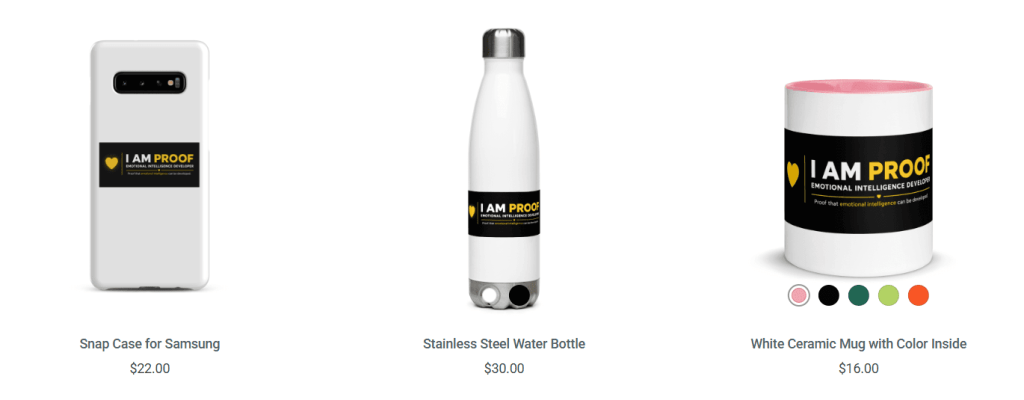
Support the Mission — Get the community kit

I AM PROOF collection by Emotional Intelligence Developer. Click to visit the merchandise store.

Official Merch Store — show off your merch and tag #emotionalintelligencedeveloper

Discover more from Emotional Intelligence Developer

Subscribe now to keep reading and get access to the full archive.

Continue reading